
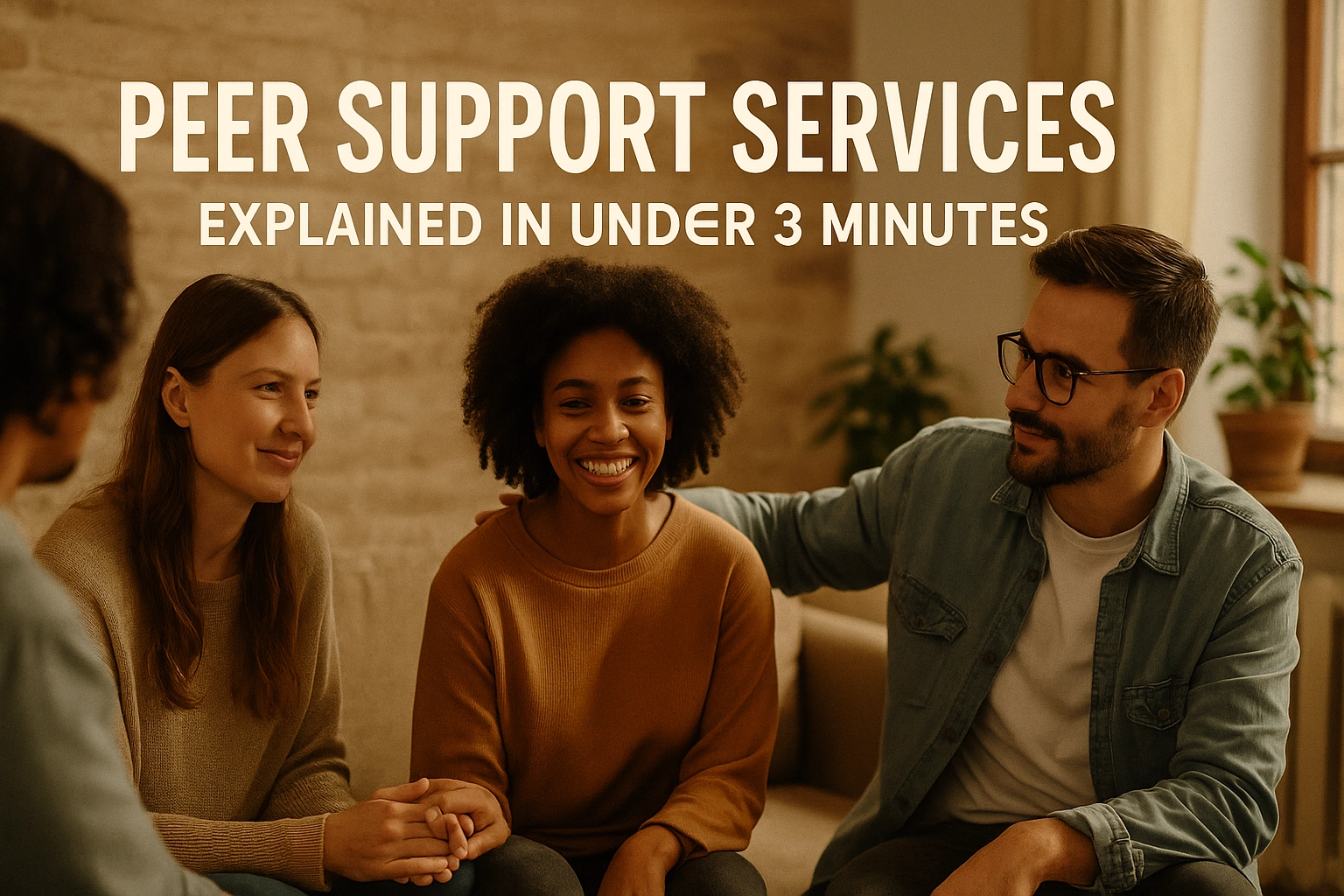
If you've ever felt like no one truly understands what you're going through, peer support services might be exactly what you need. These services connect you with people who've walked similar paths and come out stronger on the other side.
What Exactly Is Peer Support?
Peer support is help provided by people who have lived experience with mental health challenges, substance use disorders, or other life difficulties and are now in stable recovery. Think of it as guidance from someone who's been there, done that, and wants to help you navigate your own journey.
Unlike traditional therapy where you work with a clinically trained professional, peer support creates a relationship between equals. Your peer supporter isn't looking down at you from an expert position – they're standing right beside you, sharing what they've learned along the way.

Who Provides Peer Support Services?
Peer supporters are real people with real stories. They've faced their own battles with mental health, addiction, trauma, or other challenges. But here's what makes them special: they've done the hard work of recovery and want to pay it forward.
Most peer supporters receive formal training and certification. They learn communication skills, boundaries, advocacy techniques, and how to share their experiences in helpful ways. Many become Certified Peer Specialists (CPS) through state-approved programs.
These aren't people who just mean well – they're trained professionals who happen to have personal experience with recovery. They understand both the clinical side and the human side of healing.
What Makes Peer Support Different?
The magic of peer support lies in its foundation: mutual understanding and shared experience. When your peer supporter says "I've been there," they literally mean it.
This creates several unique advantages:
Genuine Hope: Seeing someone who's overcome similar challenges proves recovery is possible. Your peer supporter is living proof that things can get better.
No Judgment: There's less stigma when you're talking to someone who's faced similar struggles. You can be honest about your worst moments without fear of being judged.
Practical Wisdom: Peer supporters offer real-world advice that works. They know which coping strategies actually help when you're having a tough day.
Empowerment Focus: Instead of focusing on what's "wrong" with you, peer support emphasizes your strengths and ability to recover.

Types of Peer Support Services
Peer support comes in many forms, and you can find the approach that works best for your personality and needs:
Individual Peer Support
One-on-one sessions where you work directly with a peer supporter. These might happen in person, over the phone, or through video calls. You'll work together on your recovery goals, problem-solve challenges, and develop coping strategies.
Group Peer Support
Small groups led by peer supporters where participants share experiences and support each other. These groups often focus on specific topics like managing anxiety, staying sober, or rebuilding relationships.
Peer-Led Support Groups
Traditional support groups like AA, NA, or NAMI support groups where people in recovery help facilitate meetings and share their stories.
Online Peer Communities
Digital platforms and forums where you can connect with peers 24/7. These are especially helpful if you can't attend in-person meetings or need support outside regular hours.
Warm Lines
Phone lines staffed by peer supporters that you can call when you need someone to talk to. Unlike crisis lines, warm lines are for when you need support but aren't in immediate danger.
The Real Benefits of Peer Support
Research shows peer support services offer significant benefits for people in recovery:
Reduced Isolation: Mental health challenges can be incredibly lonely. Peer support helps you realize you're not alone in this fight.
Improved Self-Esteem: Working with someone who believes in your ability to recover helps rebuild your confidence in yourself.
Better Treatment Engagement: People who receive peer support are more likely to stick with their treatment plans and attend appointments.
Decreased Hospitalizations: The ongoing support helps prevent crises that might otherwise lead to emergency room visits or hospital stays.
Enhanced Life Skills: Peer supporters help you develop practical skills for managing daily life, relationships, and work.

How to Access Peer Support Services
Finding peer support is easier than you might think. Here are the most common places to look:
Community Mental Health Centers
Most community mental health centers offer peer support services or can refer you to programs in your area. Call your local center and ask about peer support options.
Hospitals and Healthcare Systems
Many hospitals now include peer supporters as part of their mental health and substance abuse programs. Ask your doctor or therapist about peer support referrals.
Insurance Coverage
More insurance plans are covering peer support services. Check with your insurance provider to see what's covered and which providers are in your network.
Drop-In Centers
Community drop-in centers often provide peer support services in casual, welcoming environments. These centers focus on building community and providing ongoing support.
Online Resources
Many organizations offer online peer support through video calls, chat groups, or phone support. This can be especially helpful if transportation or scheduling is challenging.
What to Expect from Peer Support
Your first peer support session might feel a little different from traditional therapy. Here's what typically happens:
Getting to Know Each Other: Your peer supporter will share parts of their recovery story and learn about your current situation and goals.
Setting Goals Together: You'll work together to identify what you want to achieve and create a plan for getting there.
Regular Check-Ins: Most peer support involves regular meetings (weekly, bi-weekly, or monthly) to track progress and address new challenges.
Skills Development: You'll learn practical coping strategies, communication skills, and ways to manage symptoms.
Advocacy Support: Your peer supporter can help you navigate healthcare systems, apply for benefits, or communicate with other providers.

Finding the Right Peer Support Match
Not every peer supporter will be the right fit for you, and that's okay. Here are some things to consider:
Shared Experience: Look for someone whose background relates to your challenges, whether that's depression, addiction, trauma, or other issues.
Communication Style: Some people prefer direct, practical advice while others need more emotional support. Find someone whose style matches your needs.
Demographics: Some people feel more comfortable working with someone of the same gender, age group, or cultural background.
Availability: Make sure your schedules align and your peer supporter can provide the level of contact you need.
Making Peer Support Work for You
To get the most out of peer support services:
Be Open: The more honest you can be about your struggles and goals, the better your peer supporter can help you.
Stay Engaged: Regular participation leads to better outcomes. Try to stick with the schedule you set together.
Ask Questions: Your peer supporter wants to help. Don't hesitate to ask about their experience or request specific support.
Give It Time: Building trust and seeing results takes time. Don't give up if you don't feel immediate improvement.
Advocate for Yourself: If something isn't working, speak up. Good peer supporters will adjust their approach to better meet your needs.
Peer support services offer a unique form of help that combines professional training with lived experience. Whether you're just starting your recovery journey or looking for additional support along the way, connecting with someone who truly understands can make all the difference.
If you're interested in exploring peer support options in your area, contact us to learn more about available resources and how to get started.
Leave a Reply